PPE (Personal Protective Equipment) detection is an AI-powered computer vision technology that automatically monitors live video feeds to ensure workers are wearing required safety gear—such as helmets, vests, and goggles—in real time. It enhances workplace safety in construction, manufacturing, and mining by instantly notifying managers of violations, reducing risks of injury and ensuring regulatory compliance.
Key Aspects of PPE Detection Systems
- How it Works: Using deep learning, specifically convolutional neural networks (CNNs), the software analyzes video to identify safety equipment by its color, shape, and size.
- Items Detected: Common items include hard hats, safety vests (high-visibility), protective gloves, safety boots, goggles, and face shields.
- Real-time Alerts: When a violation is detected (e.g., someone not wearing a helmet), the system sends immediate alerts, allowing for swift corrective action.
- Deployment Methods:
- Cloud-based: Analyzes footage on remote servers.
- Edge AI: Runs directly on local, on-site cameras or specialized hardware, offering higher privacy and lower latency.
- Compliance & Reporting: The technology helps meet OSH standards and often provides automated reports for incident analysis.
Benefits
- Improved Safety: Reduces injuries by enforcing safety protocols.
- Automated Monitoring: Eliminates the need for manual monitoring, cutting costs.
- Data-Driven Decisions: Provides insights into high-risk areas and times.
-
 CCTV / Surveillance
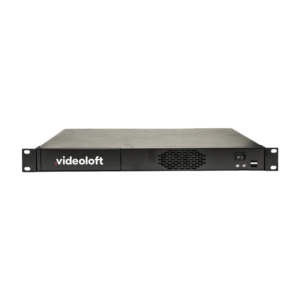
Videoloft VL-Cloud-ENT-32CH
Read moreVideoloft VL-Cloud-ENT-32CH Cloud Surveillance Rackmount Enterprise Server Pre-Loaded with Videoloft Software with 1TB SSD – Up to 32-CH Support – 4K Resolution – Subscription Purchase Required*

-
 CCTV / Surveillance
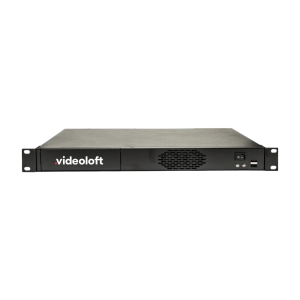
Videoloft VL-Cloud-ENT-64CH
Read moreVideoloft VL-Cloud-ENT-64CH Cloud Surveillance Rackmount Enterprise Server Pre-Loaded with Videoloft Software with 1TB SSD – Up to 64-CH Support – 4K Resolution – Subscription Purchase Required*
-
CCTV / Surveillance
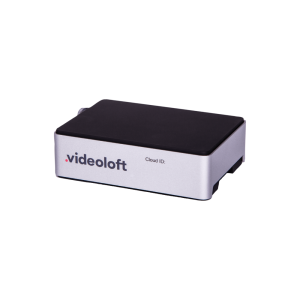
Videoloft VL-Cloud-PI-16CH
Read moreVideoloft VL-Cloud-PI-16CH Cloud Surveillance Raspberry-PI Adapter Pre-Loaded with Videoloft Software – Up to 16-CH Support – 4K Resolution – Subscription Purchase Required*
-
 CCTV / Surveillance
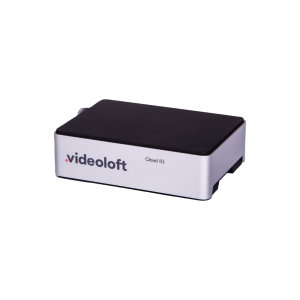
Videoloft VL-Cloud-PI-8CH
Read moreVideoloft VL-Cloud-PI-8CH Cloud Surveillance Raspberry-PI Adapter Pre-Loaded with Videoloft Software – Up to 8-CH Support – 4K Resolution – Subscription Purchase Required*